Understanding the Future of Eating: Where Are We Headed?
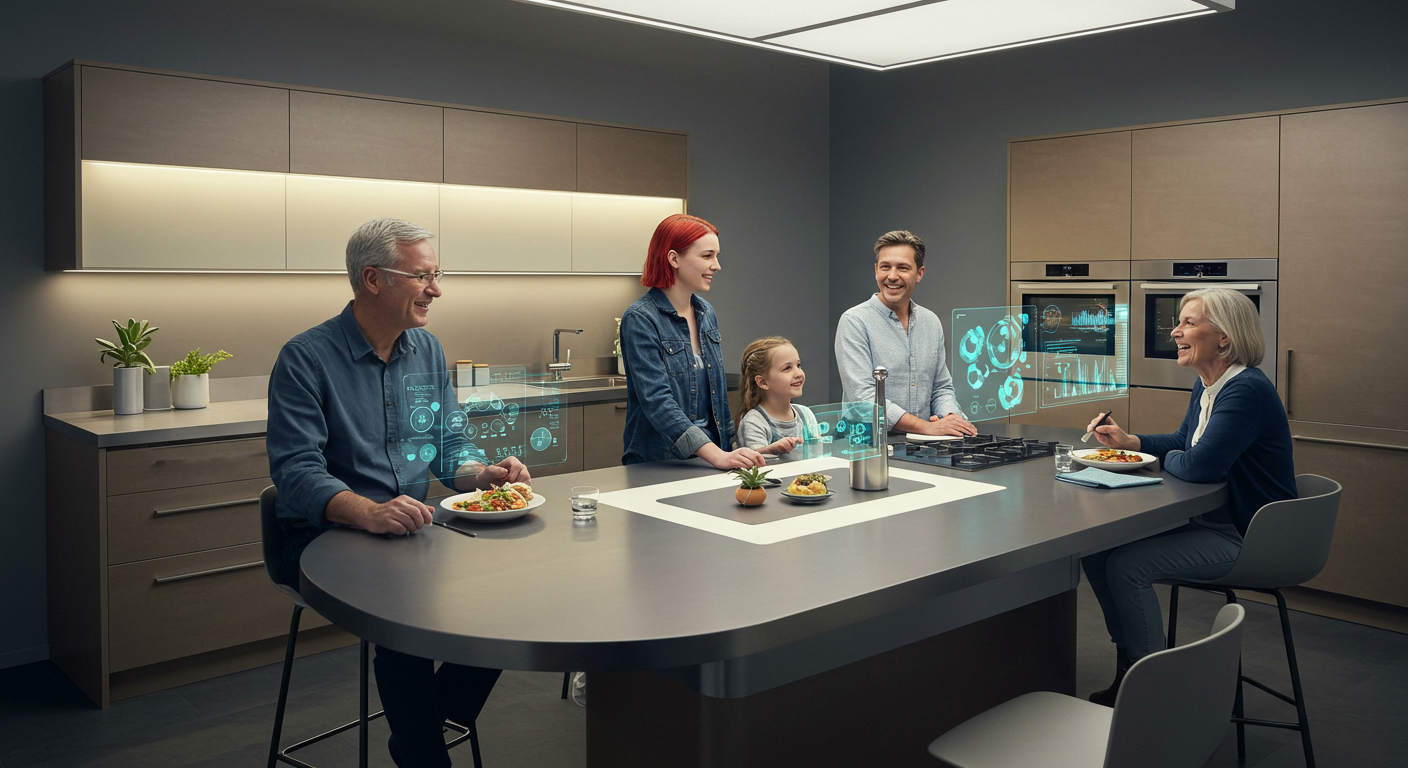
Have you ever stopped to wonder how technology is transforming the way we eat? As we move forward into an increasingly digitized world, the landscape of food consumption and preparation is evolving at a rapid pace.
Recent studies suggest that by 2030, the majority of households will integrate smart kitchen appliances into their daily routines.
This shift raises questions about what tools of the future will shape our eating habits and how they will enhance the quality of our diets and lives.

- Your Health Expert: The HealthyBites app can record and track daily intake, provide you with detailed nutritional analys…
- Large Database: With the support of the “HealthyBites” application, it has approximately 1 million food data and can vie…
- Accurate Measurement: The smart food scale is equipped with 4 high-precision sensors, which can weigh food between 3 gra…
Exploring the Role of AI in Dietary Recommendations
Artificial Intelligence (AI) has already started leaving its mark on the way we approach nutrition and eating.
With the ability to analyze vast amounts of data, AI tools provide personalized dietary advice tailored to individual needs. Imagine an app that scans your genetic makeup and suggests meals that are not only nutritionally balanced but also optimized for your DNA. This is the future of eating.
The integration of AI in dietary recommendations has the potential to revolutionize the way we think about food.
No longer will we have to manually track our calorie intake or search for compatible recipes.
Instead, advanced algorithms will handle these tasks for us, learning from our habits and adapting to changing health goals.
The Emergence of 3D Food Printing
One of the most futuristic tools on the horizon for food creation is 3D printing. This technology, once the domain of high-tech manufacturing, is making its way into the culinary world, offering an exciting new method for food preparation. As someone who enjoys experimenting in the kitchen, I was thrilled when I first encountered a 3D food printer.
The possibilities seem endless: intricate chocolate designs that would be impossible to craft by hand, plant-based meats with the perfect texture, and nutrient-rich meals personalized for each diner.
“Food is a way of exploring the world, and technology is the tool that brings that world closer to our plates.”
What excites me the most about 3D food printing is the ability to address global challenges like hunger and food waste.
By using sustainable ingredients and producing only the necessary quantities, we could potentially reduce the carbon footprint of our eating habits significantly.
The Impact of Internet of Things (IoT) on Kitchens
The Internet of Things (IoT) is another powerhouse poised to revolutionize our kitchens. Imagine waking up to a home where your coffee is brewed to perfection by a smart coffee machine that understands your preference for a medium roast.
Your fridge informs you about products nearing expiration, while an integrated system suggests dinner recipes based on available ingredients.
IoT devices in the kitchen streamline many cooking processes, making meal prep more efficient and reducing the time spent on menial tasks.
As IoT becomes more sophisticated, it may not only offer convenience but also enhance food safety by monitoring storage conditions and alerting users to any potential contamination.
The Use of Blockchain for Food Safety
Blockchain technology is redefining transparency in the food supply chain. With its decentralized and tamper-proof ledger, blockchain can trace the journey of food from farm to table, ensuring that every step meets safety standards.
This is especially important for individuals who value sustainable practices and want to ensure their food is sourced ethically.
With the advent of blockchain, consumers will have the tools to verify the authenticity and origins of their produce.
No longer will labels be taken at face value; instead, there will be a verified history accessible with just a scan of a QR code, fostering greater trust and accountability within the food industry.
The Potential of Virtual and Augmented Reality in Dining
Virtual and augmented reality hold exciting potential for enhancing dining experiences. Imagine wearing a lightweight headset that immerses you in a Tuscan vineyard while you enjoy a homemade pasta dish.
VR dining experiences can transport us to exotic locales or bring our favorite chefs into our kitchens, making meals an adventure in themselves.
Augmented Reality (AR) can also play a practical role by overlaying recipe instructions directly onto cooking surfaces or highlighting the best wine pairings for your meal.
As these technologies become more affordable, we can anticipate a time when dining will not just be about taste but a multisensory experience.

- PRO VERSION FOR ULTIMATE COMFORT – SNACTIV PRO Snack Chopsticks Pro Edition is crafted with precision using two high-qua…
- SHARK TANK APPROVED INNOVATION – Our finger chopsticks for snacking have been recognized and approved by the Sharks them…
- MESS-FREE – Say goodbye to sticky fingers and greasy controllers! SNACTIV LITE Gamer chopsticks allow you to snack effor…
Bullet Points: The Advantages of Future Eating Technologies
1. Personalized Nutrition: Advanced algorithms can customize diets based on individual health data and preferences.
2. Sustainable Consumption: Tools like 3D food printers and blockchain encourage sustainable practices.
3. Time Efficiency: IoT devices reduce time spent on meal prep and ensure efficient kitchen management.
4. Enhanced Experience: VR/AR technologies create immersive dining experiences, transforming regular meals into memorable events.
Interactive Dining: The Rise of Robotic Waitstaff
Robots in the food industry are no longer a mere novelty; they are becoming increasingly common in restaurants around the globe.
Robotic waitstaff can efficiently manage orders, serve dishes, and handle payments, all while maintaining the utmost precision.
For someone like me who loves dining out, the initial interaction with a robot waiter felt strange. However, the efficiency and accuracy they bring quickly became apparent.
The rise of robotic waitstaff also provides a solution to labor shortages in the restaurant industry, ensuring that businesses can continue to operate smoothly while offering a unique and modern customer experience.
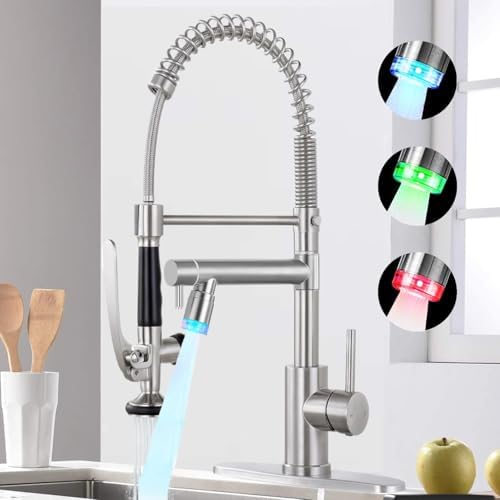
- VIDEC SMART KITCHEN FAUCET provides LED TEMPERATURE CONTROL TECHNOLOGY: LED LIGHT is using to show automatically the ave…
- VIDEC SMART KITCHEN FAUCET provides 3-FUNCTIONS SPRAY HEAD & PULL OUT SPRAYER TECHNOLOGY to Make Your Washing Easier: Pu…
- VIDEC SMART KITCHEN FAUCET uses SAFE & HEALTHY MATERIAL: Our kitchen sink faucet is made of stainless steel, excellent c…
Conclusion
The future of eating is set to be more personalized, efficient, and engaging than ever before.
As technology continues to permeate every aspect of our lives, our kitchens will become smarter, our dietary choices more informed, and our dining experiences richer.
The journey ahead is filled with promise and potential, and as an enthusiast of food and technology, I am thrilled to be part of this culinary revolution.
FAQ – Common Questions
How do AI-powered meal planners differ from traditional food apps?
AI-powered meal planners use advanced algorithms to personalize meal suggestions based on individual health data, unlike traditional apps that offer a one-size-fits-all approach.
Can 3D food printers really reduce food waste?
Yes, by enabling precise portion control and utilizing sustainable ingredients, 3D food printers can significantly minimize food waste during preparation.
What is the main advantage of using blockchain in food safety?
The primary advantage is enhanced transparency, as blockchain allows consumers to trace the origin and journey of their food items, ensuring safety and authenticity.
Are IoT kitchen devices affordable for the average household?
While some IoT devices are costly, the market is gradually expanding, and prices are expected to become more accessible as technology evolves.
How do VR and AR enhance the dining experience?
VR and AR transform dining by creating immersive environments, augmenting flavors with visual aids, and offering interactive culinary experiences.