
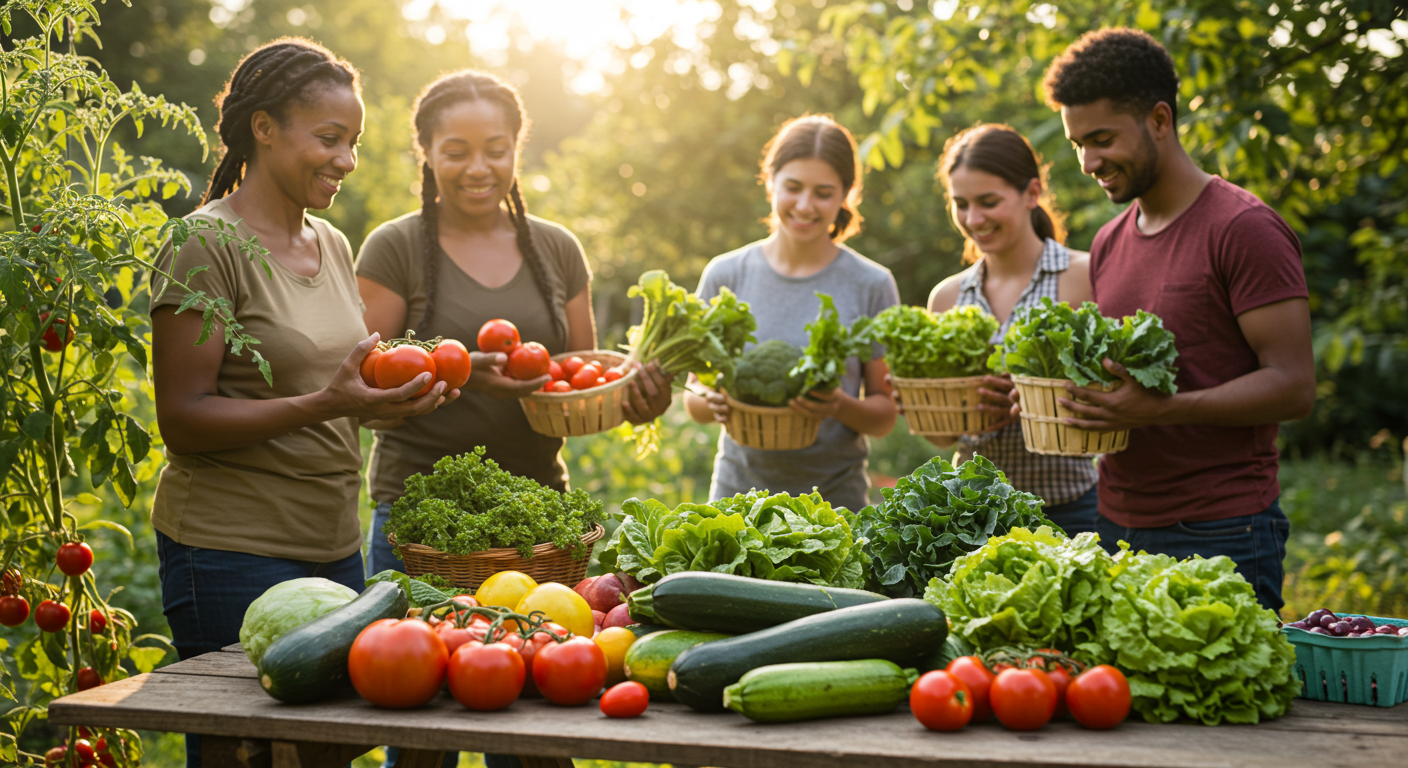
Have you ever considered the benefits and joys of an edible garden? Beyond providing fresh produce at your fingertips, it can transform your outdoor space into a productive oasis of culinary delights.
Understanding the Basics of Edible Gardens
When diving into the world of edible gardens, it’s essential to comprehend what makes them special. Simply put, an edible garden is any garden where you grow plants that you can eat. These can range from vegetables and herbs to fruits and edible flowers.
The key here is diversity and planning; you want to create a layout that not only meets your aesthetic needs but also caters to your culinary preferences.
| Plant Type | Ideal Conditions | Harvest Time |
|---|---|---|
| Tomatoes | Full sun, warm temperatures | Summer |
| Basil | Full sun, moist soil | Spring to Fall |
| Strawberries | Sun and partial shade | Spring to Summer |
| Lettuce | Cool temperatures, partial shade | Spring and Fall |
The beauty of starting your edible garden lies not only in its productivity but also in how adaptable it is to any space — from vast backyards to modest balconies.
Designing Your Edible Paradise
Creating an edible garden begins with envisioning your available space. Think about what you love to eat most and align your gardening plans with these choices.
Whether you fancy the idea of plucking fresh tomatoes off the vine or savoring strawberries in the summer sun, your tastes should dictate your plant selections.
A well-thought-out layout enhances the aesthetic appeal and functionality of your garden. Consider vertical gardening techniques to maximize space, especially suitable for urban areas where garden real estate is limited.
“Gardening is the art that uses flowers and plants as paint, and the soil and sky as canvas.” – Elizabeth Murray
Benefits of Growing Your Own Food
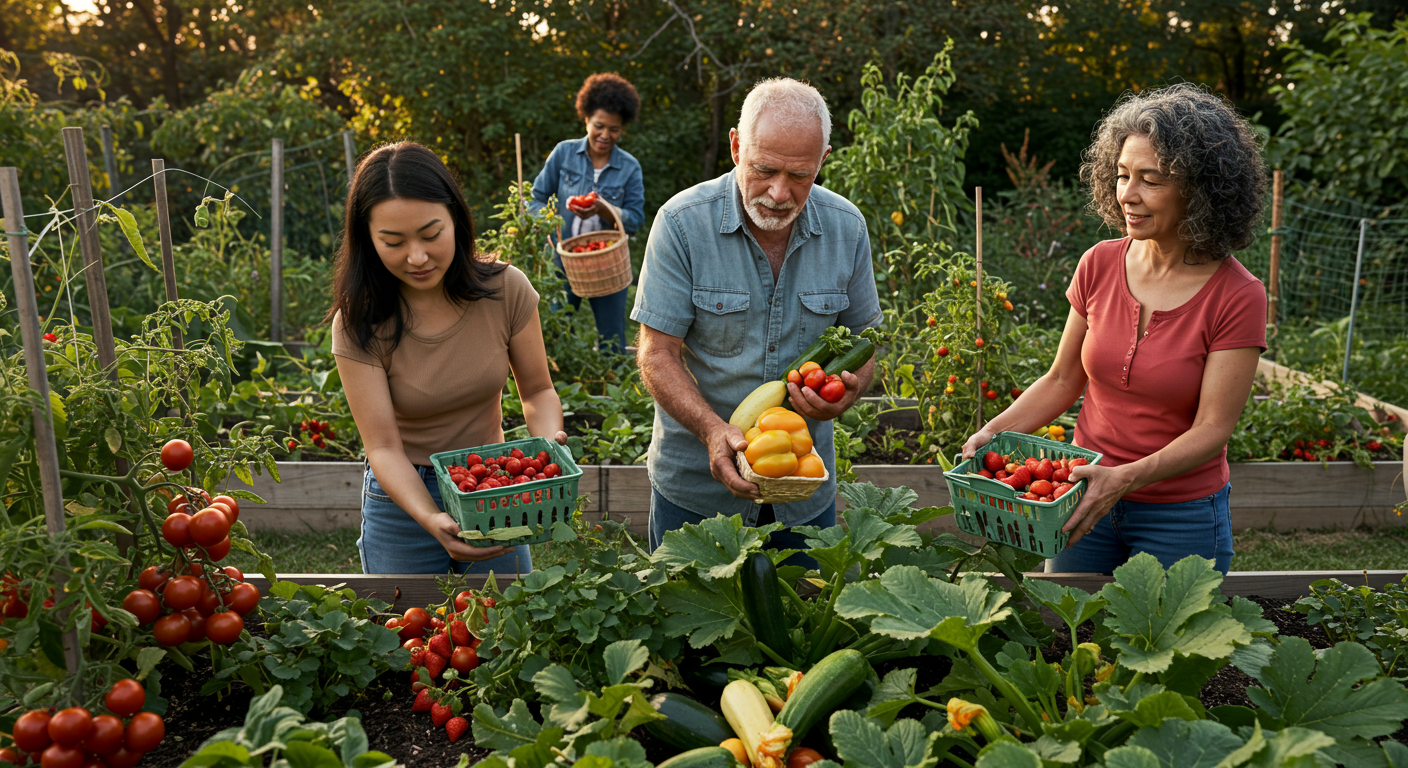
The rewards of cultivating an edible garden go beyond a mere plate of delicious salad. Homegrown produce is often richer in nutrients due to the immediate consumption rate.
There’s also the peace of mind knowing exactly what has gone into growing your food — no pesticides or harmful chemicals if you choose to grow organically.
Moreover, gardening is therapeutic. The process of nurturing plants can be a great way to de-stress and get some light exercise.
It’s satisfying and fulfilling to watch the plants you’ve tended flourish under your care.
The Best Plants for Beginners
If you’re new to the world of gardening, start simple.
Choose plants that are hardy and forgiving, which can thrive even if you’re still learning the ropes of garden maintenance. Consider these easy-to-grow options:
1- Lettuce and spinach: thrive in cooler temperatures and are great for cut-and-come-again cultivation.
2- Radishes: quick growers and suitable for impatient gardeners.
3- Herbs: basil and mint are low maintenance and versatile in cooking.
Challenges and How to Overcome Them
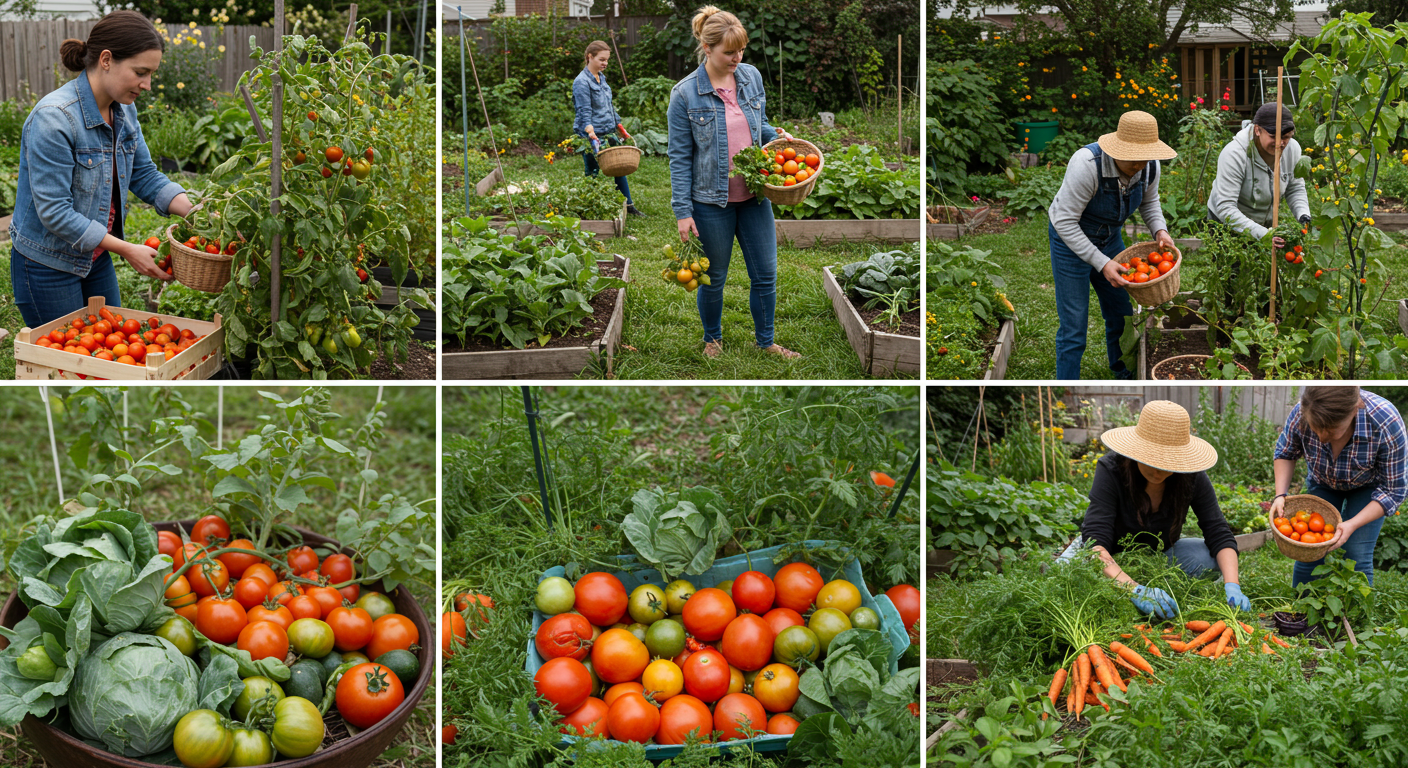
No journey is without its hiccups, and gardening is no exception. Here are some common challenges and how to tackle them:
1- Pests and Diseases: Utilize natural pest deterrents like neem oil or introduce insect-repelling plants such as marigolds.
2- Soil Quality: The foundation of any successful garden. Regularly enrich your soil with organic compost.
3- Weather Extremes: Stay alert to changing weather patterns and protect your plants with appropriate shelters or shade.
Companion Planting for Success
An age-old gardening tip is companion planting, a method where you grow certain plants side by side for mutual benefits.
For instance, planting basil near tomatoes can enhance growth and flavor. Similarly, marigolds are perfect partners as they can help deter pests that might plague your veggies.
Watering and Maintenance Tips
A healthy garden requires consistent care. Proper watering is crucial; usually, a deep watering once or twice a week supports most plants.
Pay attention to soil moisture and adjust based on weather conditions. Regular maintenance tasks like mulching and pruning help sustain plant health and productivity.
Seasonal Planting and Harvesting
Planning when to plant and harvest ensures a thriving garden year-round. Spring is ideal for cool-weather crops like peas and lettuce, while summer is perfect for growing peppers and cucumbers.
With a bit of planning, you can ensure you have something to harvest in every season, keeping your garden productive all year.
Incorporating Edible Flowers Into Your Garden
Edible flowers like nasturtiums, violas, and calendulas add vibrant color to your garden and plate.
They’re impressive garnishes for dishes and possess unique flavors that can complement a variety of dishes, from salads to desserts.
Conclusion
Embarking on the journey of cultivating an edible garden is not just about growing food; it’s an exploration into a world brimming with flavors, textures, and that unique satisfaction of self-sustainability.
Whether you’re cultivating a sprawling backyard plot or a petite herb garden on your windowsill, the joys and benefits of tending to your edible haven are endless.
So grab your gardening gloves, dig in the soil, and discover the delectable world of homegrown goodness.

- Sturdy and Stainless Steel Garden Set: Made of Stainless Steel, this stainless steel gardening tools is durable and rust…
- One for All Package: Grenebo garden tools set includes a total of 8 tools and 1 storage bag. Pruning Shears, Weedier, Tr…
- Ergonomic Handle Design: In order to realize a more comfortable and effortless user experience, the gardening tools were…
FAQ – Common Questions
What are the easiest plants to start with?
Lettuce, radishes, and herbs like basil and mint are some of the easiest because they’re hardy and grow quickly.
How can I prevent pests naturally?
Introduce beneficial insects like ladybugs, use neem oil, or plant insect-repelling flowers like marigolds.
How often should I water my edible garden?
Generally, deep watering once or twice a week is sufficient, but it depends on plant type and weather conditions.
Can I grow an edible garden in a small space?
Yes! Use vertical gardening techniques and choose plants suited to containers, like herbs and leafy greens.
What’s the best way to enrich garden soil?
Regularly add organic compost and consider rotating crops to maintain soil health.