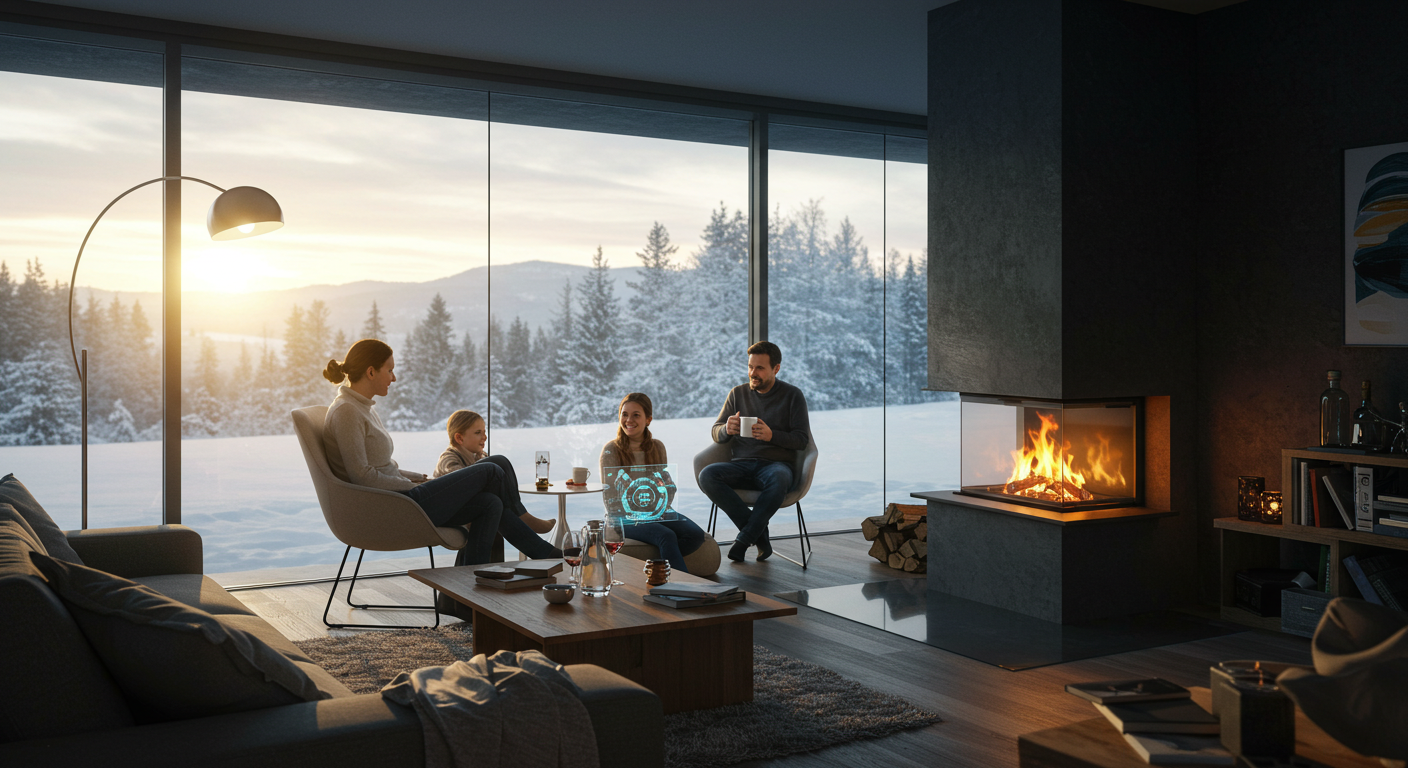
How often have you shivered through a chilly night and wished for a way to stay warm without skyrocketing your energy bill? As the bitter claws of winter approach, the quest for warmth becomes paramount, yet sustainability remains a key concern.
Personally, the idea of an energy-efficient winter has intrigued me, prompting a deeper exploration into how we can achieve comfort without compromising our planet.
This journey not only involves practical adjustments to our living spaces but also embraces a broader understanding of residential energy consumption.
Understanding Winter Energy Consumption
During the winter months, energy consumption spikes dramatically due to increased heating needs.
But have you ever wondered where precisely this energy goes? Most of us assume that our heaters work efficiently to warm our spaces, but there’s more to the story.
It’s crucial to identify which household areas consume the most energy so we can target them for efficiency improvements.
| Source of Energy Use | Average Percentage | Improvement Potential |
|---|---|---|
| Heating Systems | 45% | High |
| Water Heaters | 15% | Medium |
| Household Appliances | 20% | Low |
| Lighting | 10% | Medium |
| Electronics | 10% | Low |
Identifying these key areas helps us understand where to focus our efforts in enhancing energy efficiency.
As we delve deeper, it’s clear that most consumption stems from heating systems, offering significant potential for improvement through modern technologies and simple changes.
The Role of Insulation
A wise man once said, “The greatest warmth is the one that stays with you.” This resonates with the concept of insulation, one of the most effective methods available to maximize energy efficiency during winter.
By ensuring your home is well-insulated, you reduce the amount of heat escaping, meaning your heater doesn’t have to work as hard to maintain a comfortable temperature.
Insulating your home isn’t just about wrapping it in materials but understanding where heat loss occurs most.
Windows, doors, and even the roof can be culprits of substantial heat escape. Upgrading or supplementing existing insulation in these areas can make a remarkable difference in retaining warmth and conserving energy.
“Energy efficiency is not just an end goal, but a journey of conscious choices to nurture both our homes and environment.”
Smart Thermostats: The Silent Guardian of Energy Efficiencies
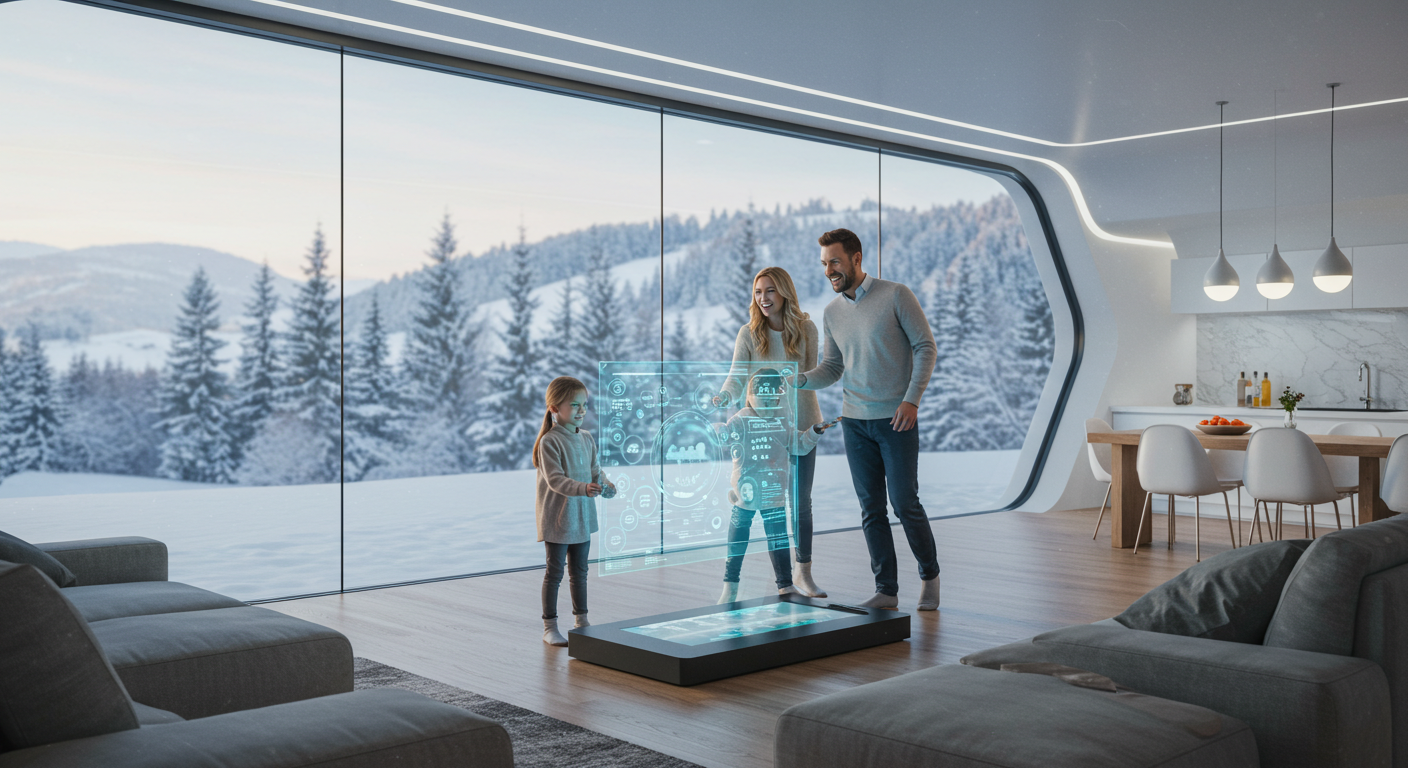
Adopting smart thermostats has been transformative in my journey toward an energy-efficient winter. T
hese devices intelligently manage your home’s heating schedule, ensuring no energy is wasted while maintaining optimal comfort.
The beauty of smart thermostats lies in their ability to learn and adapt to your habits, reducing energy costs without requiring constant manual adjustments.
Consider, for instance, enabling eco-mode when you’re away, or setting schedules that lower the temperature when you’re asleep.
The dynamic ability of a smart thermostat to adjust based on actual room occupancy and external weather conditions ensures maximum effectiveness.
Simple Everyday Changes for a More Eco-friendly Winter
While technology aids us, everyday practices also significantly impact energy efficiency. Incorporating these habits can make a noticeable difference:
1- Maximize sunlight: By opening curtains during the day, you utilize natural warmth.
2- Dress warmly indoors: Opt for layers, reducing reliance on heating systems.
3- Close unused rooms: This prevents heat from escaping into these areas.
4- Lower your thermostat: Reducing by even one degree can lead to significant savings.
These minor adjustments involve minimal effort yet substantially contribute to reduced energy consumption and costs.
The Impact of Windows and Doors
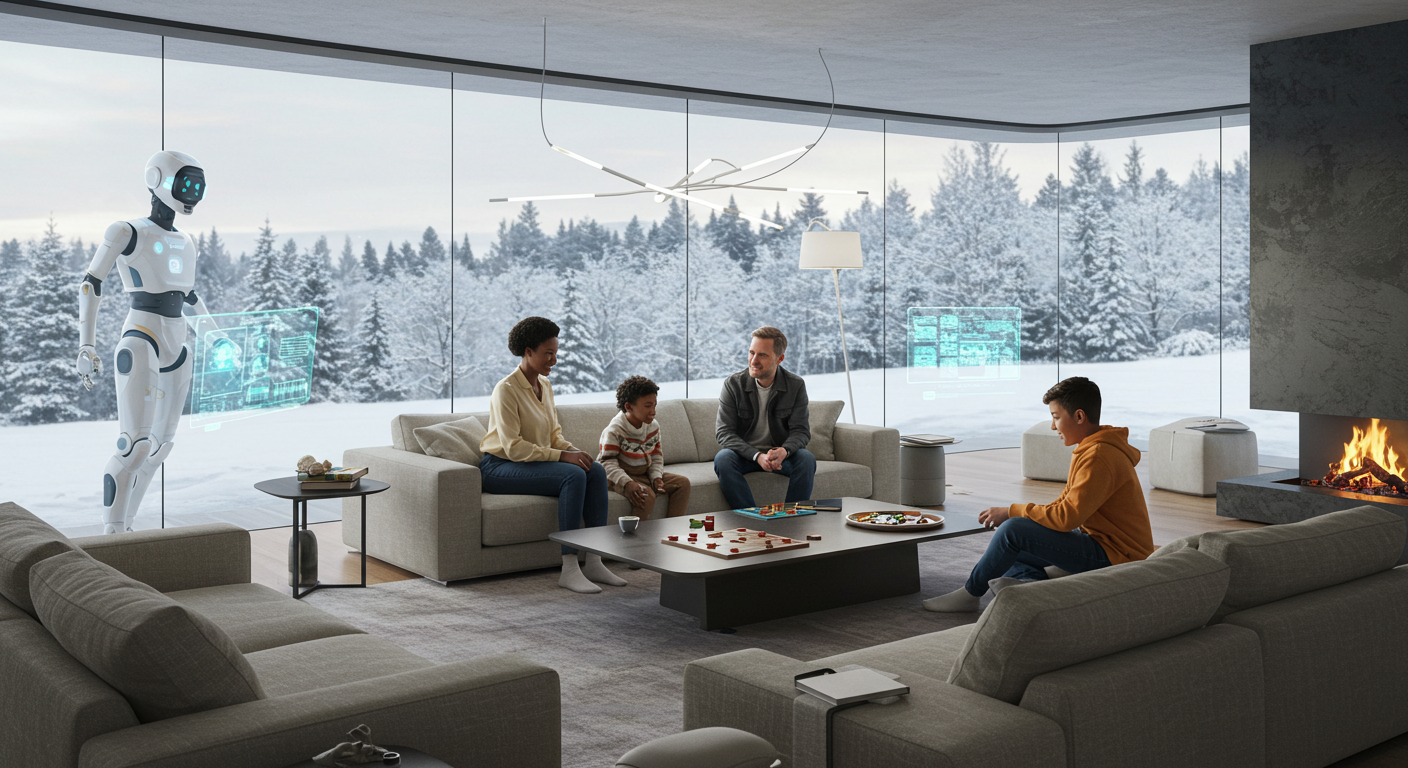
Windows and doors play a pivotal role in determining how energy efficient a home can be during winter.
Despite often being overlooked, cold drafts from windows and doors can drastically lower interior temperatures, forcing heating systems to work overtime.
Upgrading to double-glazed windows or installing draft excluders can mitigate this issue significantly.
During my personal experience, such upgrades created an immediate difference, not only in comfort but also in energy bill reductions.
Investing in Energy-Efficient Appliances
Energy-efficient appliances offer long-term savings on energy consumption. Though the initial investment might seem steep, over time, the reduction in utility costs justifies the expense.
I found that by gradually replacing old appliances with Energy Star-rated ones, my home’s energy efficiency improved markedly, without compromising functionality or convenience.
Exploring Alternative Heating Solutions
Exploring alternative heating solutions like heat pumps or solar panels can also provide sustainable warmth. These systems use renewable sources to generate heat, effectively cutting down on reliance on fossil fuels.
While these solutions require upfront investment and installation, they offer environmental and financial returns over time.
My exploration into solutions like heat pumps revealed a decrease in overall dependency on conventional forms of heating, aligning with broader environmental goals.
The Power of Community in Achieving Energy Efficiency
Achieving an energy-efficient winter isn’t an isolated endeavor. Community initiatives can propel significant improvements.
Simple practices like conducting neighborhood energy audits or sharing resources and knowledge can substantially reduce local energy usage.
In my community, we pooled resources for bulk insulation purchases, which not only lowered costs but also fortified our collective commitment to environmental stewardship.
Joining forces with neighbors or local groups amplifies the impact of individual efforts.
Understanding the Long-Term Benefits
Embarking on an energy-efficient winter journey offers multiple long-term benefits. Beyond compelling cost savings, there are ecosystem benefits by reducing one’s carbon footprint, promoting sustainable living.
This lifestyle shift often extends beyond winter, influencing year-round practices.
Furthermore, energy efficiency increases property values. Prospective buyers increasingly favor homes with lower operational costs and sustainable features, ensuring that improvements made today enhance resale opportunities.
Conclusion
Reflecting on my pursuit of an energy-efficient winter, the journey exemplifies a balance between comfort and environmental responsibility.
By making conscious decisions on energy usage, adopting the right technologies, and incorporating simple daily practices, we create sustainable warmth that benefits both our homes and the planet.
Embracing energy efficiency is not merely a trend but a critical step towards a brighter, eco-friendly future, transforming our winter experience and empowering us to contribute to broader environmental sustainability.
FAQ – Common Questions
How does insulation improve energy efficiency?
Insulation helps retain heat within your home, reducing the need for constant heating and minimizing energy costs.
Are smart thermostats expensive?
While initially more expensive than traditional thermostats, the energy savings smart thermostats provide often offset costs over time.
What are alternative heating solutions?
Alternative heating solutions, like heat pumps or solar panels, use renewable resources to heat your home, reducing reliance on conventional energy systems.
How do I choose energy-efficient appliances?
Look for appliances with Energy Star ratings, as they meet strict energy efficiency guidelines set by the EPA.
Can community efforts impact energy efficiency?
Yes, community initiatives, such as shared resources or knowledge, can improve energy efficiency significantly, fostering collective responsibility.
What are the financial benefits of winter energy efficiency?
Investing in energy efficiency lowers utility bills, enhances property value, and provides long-term savings on energy costs.