
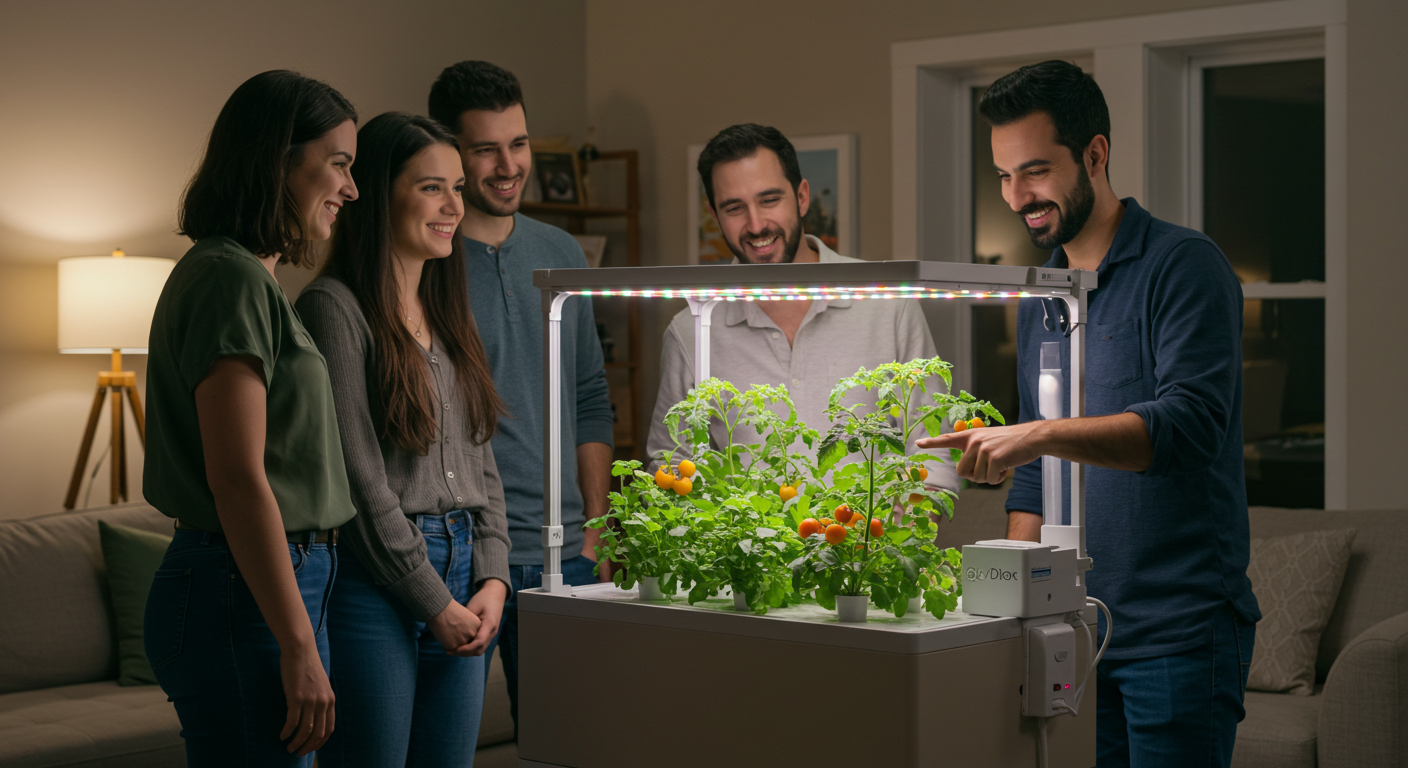
Why Indoor Plants Have Taken Root in Our Hearts
Have you ever noticed how a simple green plant can transform a room? It’s fascinating how something so modest and grounded can evoke such a profound sense of calm and well-being.
I remember walking into my grandmother’s living room, a cozy sanctuary adorned with a variety of lush, green plants.
It always had a welcoming and serene atmosphere. This experience sparked my curiosity about the subtle power and benefits of indoor plants.
As the pace of modern life becomes more frenetic, people increasingly seek out ways to introduce tranquility and natural beauty into their living spaces. Indoor plants have become an embodiment of that quest, offering not just aesthetic appeal but also a host of psychological and health benefits.
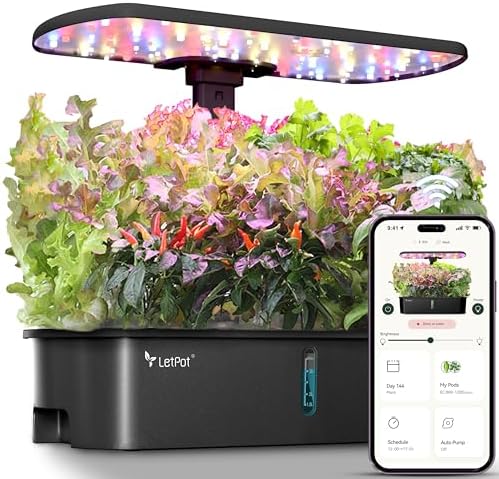
- Effortless Indoor Gardening: Transform your indoor gardening journey with LetPot’s innovative smart hydroponic growing s…
- Accelerated Growth, Abundant Harvests: Say goodbye to sluggish plant progress with LetPot’s hydroponic marvel! Ideal for…
- Intelligent Technology for Effortless Maintenance: Take charge of your indoor garden with our user-friendly LetPot App. …
Understanding the Appeal of Indoor Plants
Indoor plants have surged in popularity, not just as decorative elements, but as vital components of a healthy home environment.
These green companions do more than fill empty spaces; they enrich our lives in countless ways. Here is a table that captures the multifaceted roles that indoor plants play in our homes:
| Function | Benefit | Example |
|---|---|---|
| Aesthetic | Enhances beauty of spaces | Orchids |
| Air Purification | Improves indoor air quality | Snake Plant |
| Psychological | Reduces stress and anxiety | Lavender |
| Humidity Regulation | Maintains optimal moisture levels | Bamboo Palm |
| Noise Reduction | Absorbs background noise | Fiddle Leaf Fig |
The aesthetic allure of indoor plants is undeniable. They introduce vibrant colors and diverse textures into any room, creating focal points and enlivening dull corners.
When strategically placed, they can breathe life into a sterile space, making it more inviting and homely.
The Science Behind Indoor Plants
Research has shown that indoor plants have tangible physiological benefits. They purify the air by absorbing harmful toxins and releasing oxygen, which improves air quality and supports our respiratory health.
Introducing a few choice plants into your living room or office can drastically reduce concentrations of pollutants and allergens in the air, promoting overall well-being.
Psychologically, having plants in our environment is shown to reduce stress, boost mood, and enhance cognitive performance.
Psychologists have long known the positive effects of nature on mental health and incorporating elements of nature into indoor spaces taps into these benefits.
Plants can also contribute to increased productivity and focus, making them ideal for the workplace.
“A room without indoor plants is like a body without a soul.”
Picking the Perfect Plant for Your Space
Choosing the right indoor plant can be daunting given the sheer variety available.
One of the keys to successful indoor gardening is understanding the specific needs of each plant species.
Factors such as light, temperature, and humidity play significant roles in determining which plants will thrive in your space. Here’s a brief guide to help you make the best choice:
1- Light Requirements: Some plants require bright, indirect light like succulents, while others, such as the Pothos, can thrive in lower light conditions.
2- Watering Needs: Overwatering is a common mistake. While ferns like consistently moist soil, cacti prefer more arid conditions.
3- Space Considerations: Small spaces may not accommodate large plants like the Rubber Tree, but might be perfect for a compact ZZ plant.
4- Care Level: If you’re a beginner, opt for low-maintenance plants like Peace Lilies or Spider Plants, which are forgiving even if you forget to water them occasionally.
By considering these factors, you can select plants that will not only survive but thrive in your specific environment.
Popular Choices for Indoor Gardening
From towering palms to diminutive succulents, indoor plants come in an eclectic array, ensuring that there’s something to suit every personality and aesthetic preference.
Some of the most popular indoor plants that have captured the imaginations of plant enthusiasts include:
– The Monstera Green, known for its iconic leaf pattern.
– The resilient Snake Plant, which thrives even in neglect.
– The Boston Fern, with its lush foliage, which adds a touch of elegance.
– The quirky and adaptable Spider Plant.
– The peace-promoting Peace Lily.
These plants not only look good but are also known for their low maintenance requirements and ability to thrive in indoor environments.
The Environmental Impact of Indoor Plants
Adding plants to your indoor space can contribute positively to the environment.
Indoor plants play a vital role in balancing indoor humidity levels and reducing CO2 concentrations, thus improving overall air quality.
Their ability to filter pollutants and absorb toxins such as formaldehyde, benzene, and trichloroethylene, makes them eco-friendly additions to any room.
Moreover, plants are natural humidifiers. They release moisture through a process called transpiration, which increases humidity levels in indoor spaces and can alleviate conditions like dry skin and respiratory irritations.
This natural regulation of humidity can be particularly beneficial in winter when heating systems dry out indoor air.
Overcoming Challenges in Indoor Plant Care
Even though maintaining indoor plants might seem straightforward, it often comes with its set of challenges.
One common issue is the balance of providing enough water and light without exceeding the plant’s needs. Overwatering is a frequent problem that results in root rot, affecting plant health.
To avoid this, ensure that pots have proper drainage and check soil moisture before watering.
Pests can also pose a challenge. Indoor plants, though relatively shielded from outside elements, can still attract pests like aphids and spider mites.
Making a habit of checking leaves regularly and using natural insecticides when necessary can help keep these issues at bay.
Another challenge is finding the right spot. Many indoor plants thrive in specific lighting conditions, and understanding each plant’s unique requirement can stabilize its growth and health.
Conclusion
Bringing indoor plants into your space is more than an aesthetic choice; it’s a lifestyle enhancement that offers numerous benefits across multiple aspects of daily life.
Whether you’re drawn to their beauty, intrigued by their health benefits, or looking to lift your mood and create a more conducive environment for work or relaxation, indoor plants are a valuable addition to any home.
As I continue to cultivate my own little indoor jungle, I find that my life is richer for it—more serene, more vibrant, and infinitely more connected to the natural world.
- Effortless Indoor Gardening: Transform your indoor gardening journey with LetPot’s innovative smart hydroponic growing s…
- Accelerated Growth, Abundant Harvests: Say goodbye to sluggish plant progress with LetPot’s hydroponic marvel! Ideal for…
- Intelligent Technology for Effortless Maintenance: Take charge of your indoor garden with our user-friendly LetPot App. …
FAQ – Common Questions about Indoor Plants
How often should I water my indoor plants?
Watering varies by plant species and environment. Generally, water when the topsoil feels dry. Overwatering is a common mistake, so ensure the pot has drainage.
What is an easy plant for beginners?
The Snake Plant and the ZZ Plant are excellent choices for beginners due to their hardy nature and minimal care requirements.
Do indoor plants purify the air?
Yes, many indoor plants like the Spider Plant and Peace Lily are known for their air-purifying properties, removing toxins and releasing oxygen.
Can indoor plants improve my mood?
Absolutely. Studies show that indoor plants can reduce stress, improve mood, and enhance productivity by creating a calming environment.
What should I do if my plant’s leaves turn yellow?
Yellow leaves can indicate either overwatering or underwatering. Assess the moisture of the soil and adjust your watering schedule accordingly.
Can I keep indoor plants in low-light conditions?
Yes, many plants such as the ZZ Plant and Pothos can thrive in low-light conditions, making them ideal for darker areas of a home.