
Introduction: Are Tech Gadgets the Key to a Good Night’s Sleep?
Picture this: you’ve had a long day, and as soon as your head hits the pillow, you’re wide awake, counting sheep until morning.
Sound familiar? You’re not alone. In today’s fast-paced world, getting a good night’s sleep has become a dream for many, and that’s where tech gadgets come in.
From smart mattresses to meditation apps, the tech world offers solutions that promise to turn those restless nights into blissful snoozes.
But are these gadgets truly the magical answer to our sleep woes, or just another digital distraction? Let’s dive into the fascinating world of tech gadgets designed to help you catch those z’s.
The Science of Sleep and Technology
Understanding how tech gadgets can improve sleep requires a quick dive into the science of sleep itself.
Sleep is a complex process that involves multiple stages, including REM and non-REM sleep, each crucial for various physical and mental functions.
Disruptions in these stages can lead to sleep disorders or a feeling of unrest.
| Stage of Sleep | Characteristics | Importance |
|---|---|---|
| Stage 1 | Light sleep, easy to wake | Transition into deep sleep |
| Stage 2 | Heart rate slows, body temperature drops | Preparation for deep sleep |
| Stage 3 & 4 | Deep sleep, body repairs | Physical recovery |
| REM | Brain activity increases, dreams occur | Cognitive functions, memory |
Many gadgets aim to optimize or monitor these stages through various technologies like sensors, AI, and sound therapy. But what are these gadgets, and how do they claim to enhance sleep quality?
For many, the struggle to wake up is a daily battle, marked by the snooze button becoming our worst enemy. The allure of a few more minutes of sleep often wins, throwing off morning routines and setting a tone of rushed chaos for the rest of the day. But what if technology could be an ally in this fight? We’ve moved beyond simple, jarring alarms to a new generation of smart alarm clocks and wearable devices designed to make waking up easier. These innovations, like the Pavlok Shock Clock, use a variety of methods—from gentle vibrations and lights that simulate sunrise to more unique approaches like a mild electric impulse—to provide a personalized, effective way to break the cycle of oversleeping and start the day on a more disciplined, proactive note.

- Wake Up Guaranteed, No Snooze Needed: The only alarm designed to train your brain to wake up on time—using a customizabl…
- Silent & Partner-Friendly: Get out of bed without disturbing anyone. Choose vibration, beep, or zap—your partner, roomma…
- Safe “Zap” Technology: Delivers an adjustable stimulus that’s safe and effective for habit change and waking up. Not pai…
Smart Mattresses: More Than Just a Bed

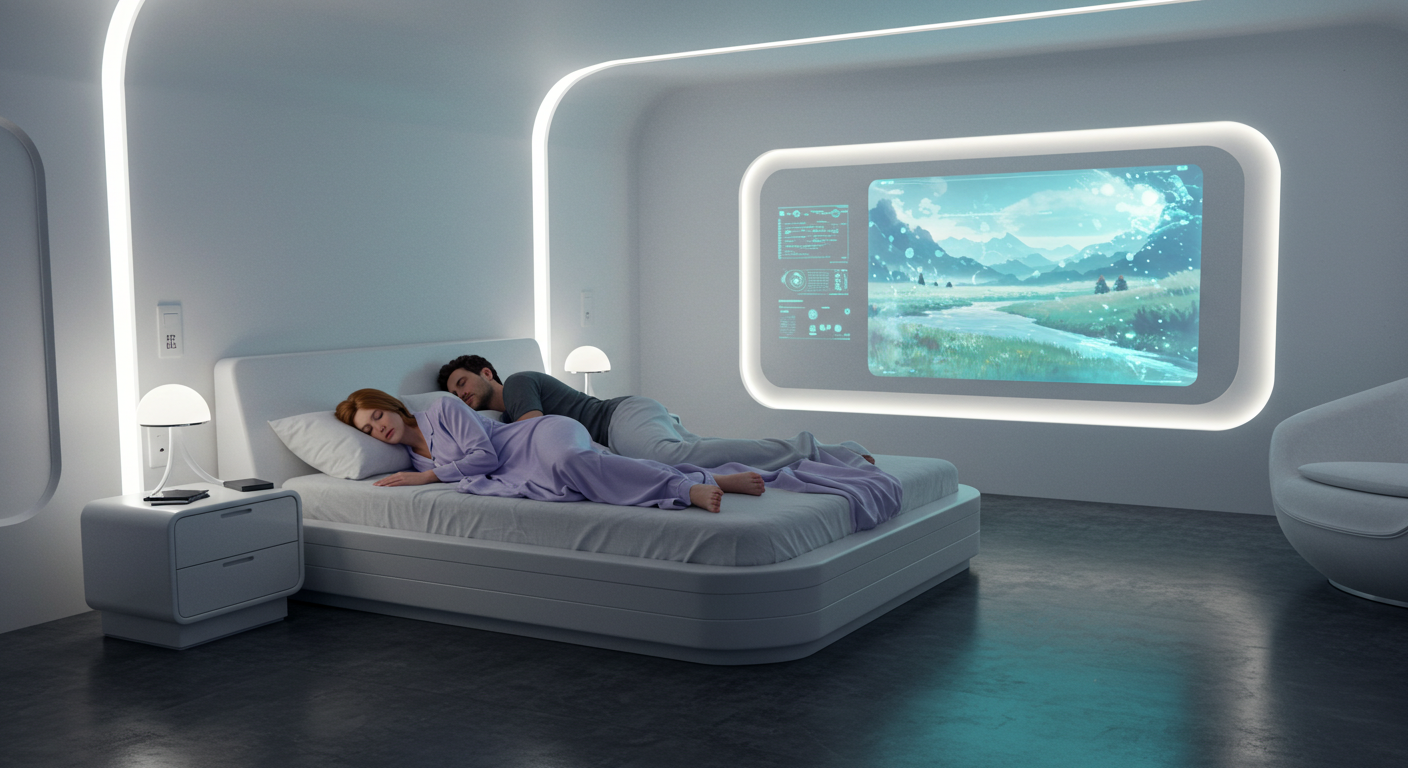
Smart mattresses have made quite the splash in recent years. These high-tech beds are equipped with sensors that monitor your sleep patterns, heart rate, and even breathing.
Some can even adjust their firmness based on your preferred sleep position or partner’s movements.
It’s not just about comfort; these mattresses provide valuable data that can help identify sleeping issues, like sleep apnea or insomnia, and recommend tailored solutions.
Imagine a mattress that knows more about your sleep habits than you do.
It can offer insights, like “Hey, you slept best after a yoga session,” or “Avoid that late-night cup of coffee.” While some may see this as creepy, others find it a breakthrough in catching quality sleep.
Sleep Trackers: The Wearable Revolution
“Sleep is that golden chain that ties health and our bodies together.” – Thomas Dekker
Wearable sleep trackers, like fitness bands and smartwatches, have become incredibly popular for monitoring sleep.
These devices track everything from the duration and quality of your sleep to interruptions and sleep cycles.
Using the collected data, they can provide actionable insights to improve your sleep habits.
While these gadgets are handy, they come with some drawbacks. Some users might find them uncomfortable to wear overnight, and the accuracy can vary between devices.
However, when used consistently, they offer a comprehensive look at your sleep trends over time, which can be invaluable for identifying patterns or issues.
White Noise Machines: The Sound Sleep Solution
White noise machines aren’t exactly new, but they’ve gained attention as a simple, effective tool to block out background noise and promote better sleep.
These devices generate soothing sounds, like ocean waves or raindrops, mimicking natural environments, which can be calming and conducive to sleep.
More than just a sound machine, advanced versions come with customization features, such as adjusting the volume or mixing different sounds.
For people who live in noisy urban areas or have trouble with tinnitus, white noise machines can be a saving grace.
Light Therapy Gadgets: Melatonin’s Best Friend
Light plays a crucial role in regulating our sleep-wake cycles, or circadian rhythms.
Exposure to bright light in the morning and darkness at night helps manage melatonin production, a hormone that promotes sleep.
Enter light therapy gadgets—designed to mimic natural light, these devices aim to improve sleep by regulating your body’s internal clock.
These gadgets aren’t just helpful for those with seasonal affective disorder (SAD) but can also aid shift workers or frequent travelers struggling with irregular schedules.
The science behind these gadgets is sound, but their effectiveness can vary depending on individual needs and lifestyle.
Smart Sleep Masks: Jetsetter’s Delight
For those who travel frequently, a smart sleep mask can be a game-changer.
These masks go beyond blocking out light; they’re often equipped with built-in speakers, playing soothing sounds or guided meditations to help you unwind and fall asleep faster.
Some models offer additional features like heat therapy for eye relaxation or even gentle vibrations to wake you up at the optimal phase of your sleep cycle.
It’s like having a personal sleep assistant, ensuring you get quality rest no matter where you are.
Meditation Apps: The Digital Sleep Aid
1- Meditation apps have surged in popularity, and for good reason. These apps offer guided meditations, sleep stories, and calming music, all designed to help you drift into a restful slumber.
2- Some apps even incorporate features like sleep tracking and personalized recommendations based on your habits and preferences.
3- If you’re new to meditation, these apps provide a simple, accessible way to get started. They’re portable, customizable, and most importantly, effective for many users.
4- Combining them with other tech solutions can create a holistic sleep-enhancing experience.
Are Smart Gadgets Really Beneficial for Sleep?
The effectiveness of sleep tech gadgets can vary significantly from person to person, largely depending on individual needs, preferences, and the specific sleep issues one may face.
For instance, someone with sleep apnea might benefit more from smart mattresses with advanced sensors, while a light sleeper in a noisy environment might find white noise machines invaluable.
However, it’s crucial to remember that tech gadgets aren’t a one-size-fits-all solution.
They should complement, not replace, good sleep hygiene practices like maintaining a regular sleep schedule, creating a comfortable sleep environment, and minimizing screen time before bed. When combined with a healthy lifestyle, these gadgets can enhance sleep quality and make restful nights more achievable.
Conclusion: Tech Yourself to Sleep
As we continue to embrace technology in nearly every aspect of our lives, it’s no surprise that it has found its way into our bedroom.
Tech gadgets for sleep offer exciting possibilities for those struggling with rest, providing tools that can promote better quality sleep tailored to individual needs.
While these gadgets are not panaceas, they hold the potential to revolutionize how we rest and recharge in our increasingly tech-driven world. So, if you’re tired of being tired, it might be worth giving some of these high-tech sleep aids a try.
FAQ – Common Questions
Do sleep gadgets actually work?
Yes, but their effectiveness varies. They can provide valuable insights and help improve sleep quality, but they should be used alongside healthy sleep habits.
Are sleep trackers accurate?
While they offer useful data on sleep patterns, the accuracy can vary. They’re best used to identify trends rather than exact measurements.
Is it safe to use tech gadgets while sleeping?
Generally, yes. Most gadgets are designed with safety in mind, but it’s essential to follow the manufacturer’s guidelines.
Can light therapy gadgets help with insomnia?
They can be beneficial for regulating sleep-wake cycles, especially for those with delayed sleep phase or circadian rhythm disorders.
Can children use these gadgets?
It’s advisable to consult with a healthcare professional before allowing children to use sleep gadgets, especially those involving electronics and light exposure.
What is the best gadget for improving sleep?
There’s no definitive answer as it depends on individual needs. Experimenting with different gadgets can help determine what works best for you.